Greece - "Bactrocera dorsalis" was detected for the first time

11.07.2024 266 views

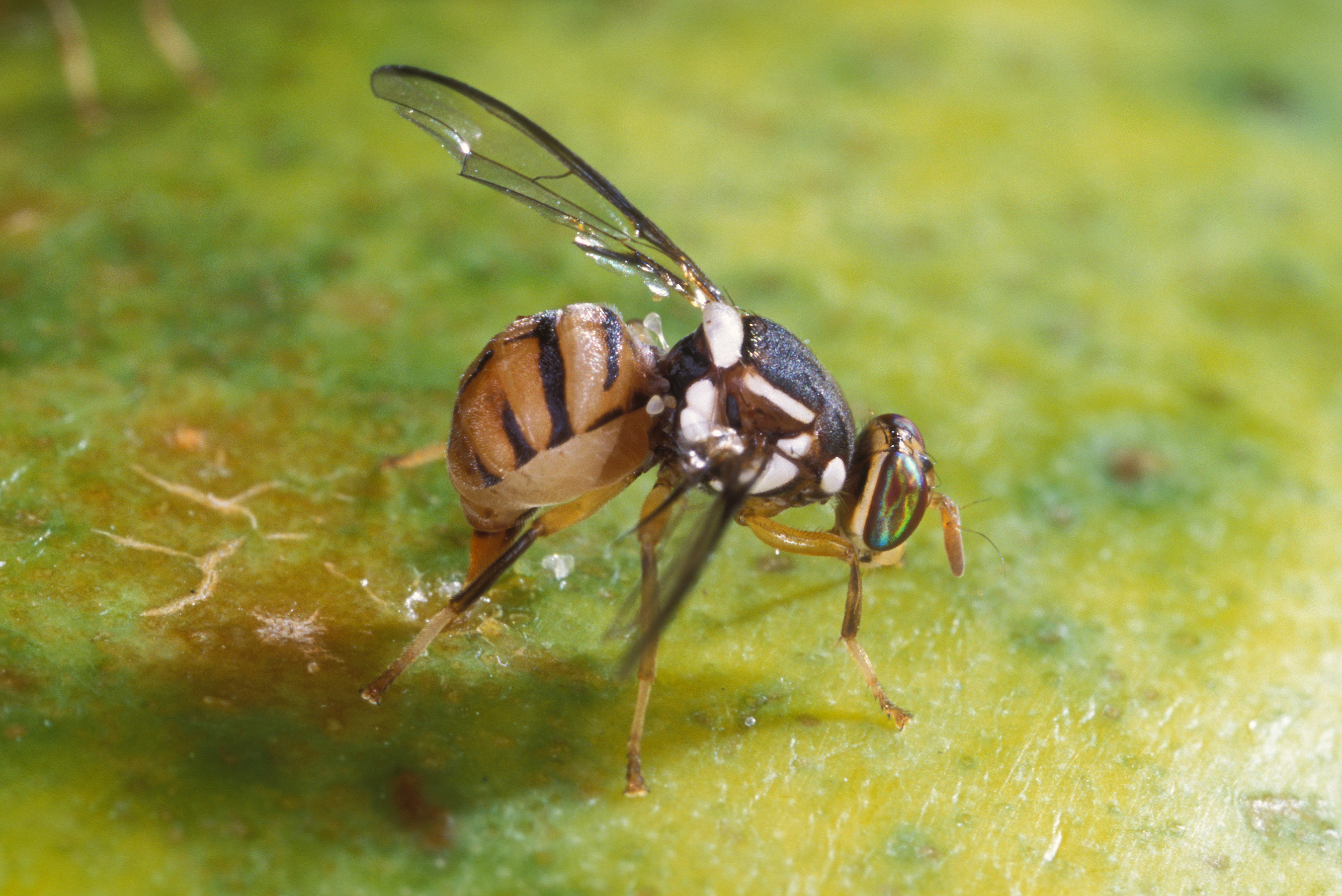
Greece has confirmed the first detection of the oriental fruit fly in its territory. Bactrocera dorsalis has been classified as one of the twenty priority pests that present the most serious economic, environmental, and social threat to EU countries. The fly was found in a trap on the periphery of Attica. This dipteran, which affects about four hundred types of fruits and vegetables, has already been detected in various regions, including Asia, Africa, Oceania, and the United States. In Europe it was first detected in Italy (2018), then in France (2019), and more recently in Belgium (2023).

Greek authorities have started surveys near the detection point to assess the presence of B. dorsalis in the area, installing additional traps, and promoting an outreach campaign aimed at professional operators and citizens. This insect is mainly dispersed through the transport of fruits, where it can be transported as an egg or larva within the fruit, and even as a nymph through the soil. In addition, it can move from 50 to 100 km naturally.

The oriental fruit fly attacks many crops, including citrus, peaches, plums, pears, apples, tomatoes, peppers, bananas, mangoes, and papaya. The symptoms of infestation are similar to those caused by the Mediterranean fly, Ceratitis capitata, as the infected fruits show discoloration and, subsequently, rot or holes where the larvae emerge. Unlike C. capitataB. dorsalis' life cycle slows down with low temperatures and stops at less than 13°C.

Most of the B. dorsalis detected in Europe are isolated individuals in urban areas, related to logistics centers. However, the findings of more than one fly in Var (France) and Campania (Italy) have led authorities to take measures to contain its expansion. Carlos Maria Lozano, of the Plant Health and Certification Center of Aragon, highlighted in AgroMurcia the threat posed by B. dorsalis to stone fruit trees in the Mediterranean basin, underlining its wide range of dissemination and ability to attack these crops.

Source - https://www.freshplaza.com

21.04.2026

New Zealand kiwifruit crop avoids major cyclone damage

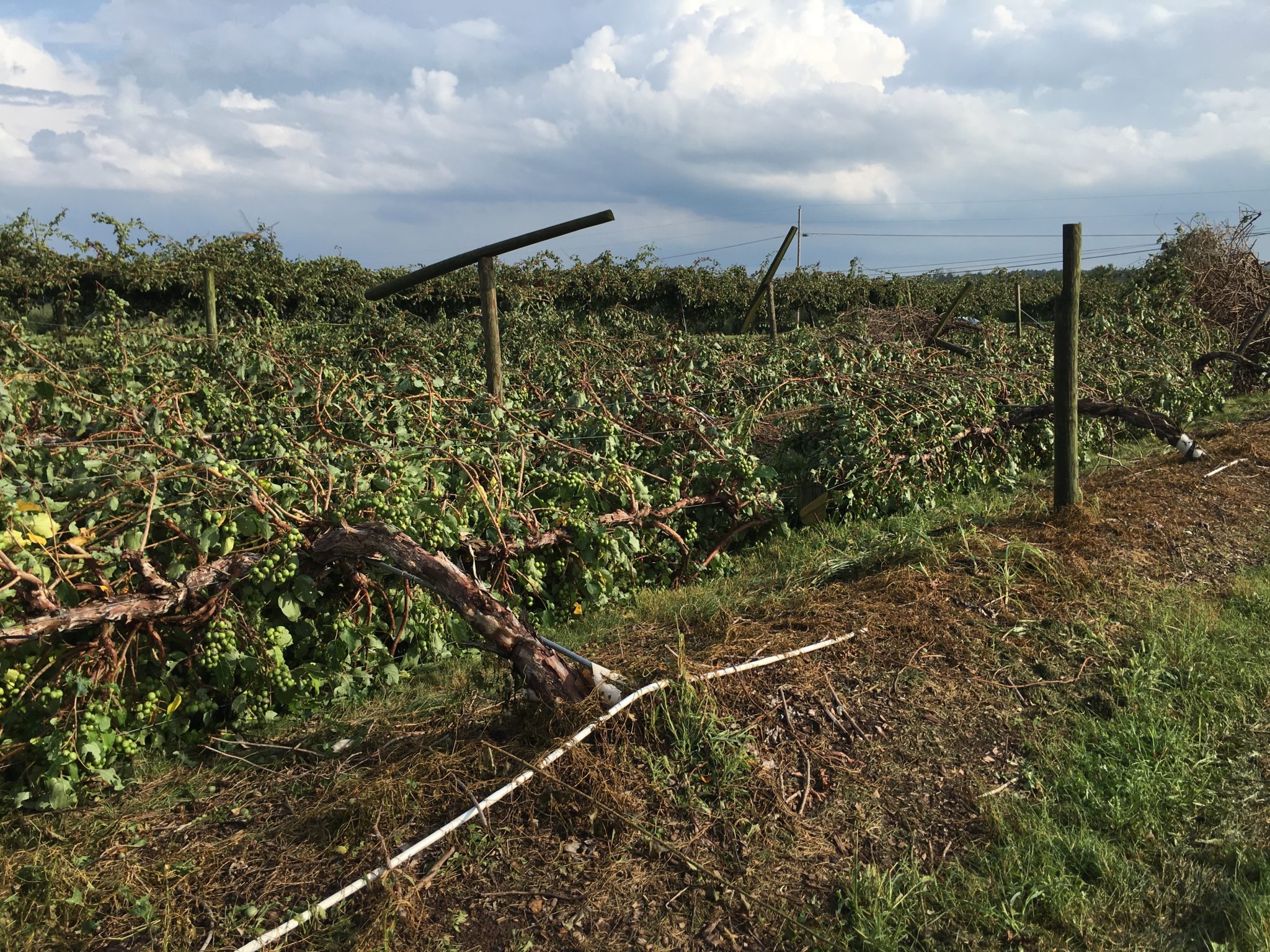
Kiwifruit growers in New Zealand appear to have avoided a major impact from Cyclone Vaianu, which hit the east coast of the North Island this month. 

21.04.2026

Africa achieves first gene-edited grapevine using CRISPR for disease resistance, drought tolerance

A resistant grapevine reduces chemical input costs and crop loss.

21.04.2026

India - Growers hail Centre's decision to bring tea plantation under purview of weather insurance scheme

Tea growers hailed the government's decision to bring the sector under the Restructured Weather Based Crop Insurance Scheme (RWBCIS), which they said would help mitigate losses due to erratic rainfall and rising temperatures.

21.04.2026

Sri Lanka - Compensation for damage caused by Nilwala river salinity barrier to be expedited

The Government has allocated financial provisions amounting to Rs. 1,200 million in the 2026 Budget to provide compensation for paddy cultivation losses caused by the salinity barrier constructed on the Nilwala River in 2019 by the National Water Supply and Drainage Board (NWSDB) to prevent seawater intrusion into drinking water sources in the Matara District.

21.04.2026

Canada - Drought and input inflation force Ontario growers to rethink risk

Record‑low rainfall in 2025 and higher fertilizer prices are driving Ontario producers to lean on crop insurance.

21.04.2026

USA - Pest experts warn about the cost of crop damage caused by invasive species

As spring weather warms up, experts warn that this is also a time when invasive pests spread more easily.

20.04.2026

Pakistani mango crop declines on heat, cold, and hail damage

Mango production in Pakistan is expected to remain below normal this season due to weather-related impacts affecting flowering and fruit set in Punjab.

20.04.2026

Nepal - Minister Geeta Chaudhary Engages with Banana Farmers to Address Agricultural Challenges

Minister of Agriculture and Livestock Development and Minister of Forests and Environment, Geeta Chaudhary, has held a meeting with banana farmers. During the meeting, Minister Chaudhary discussed issues related to banana production, marketing, and fertilizer supply.